Swimming in Waterfalls Pools Safely This Summer
- Mohsin Khan
- Mar 7
- 9 min read

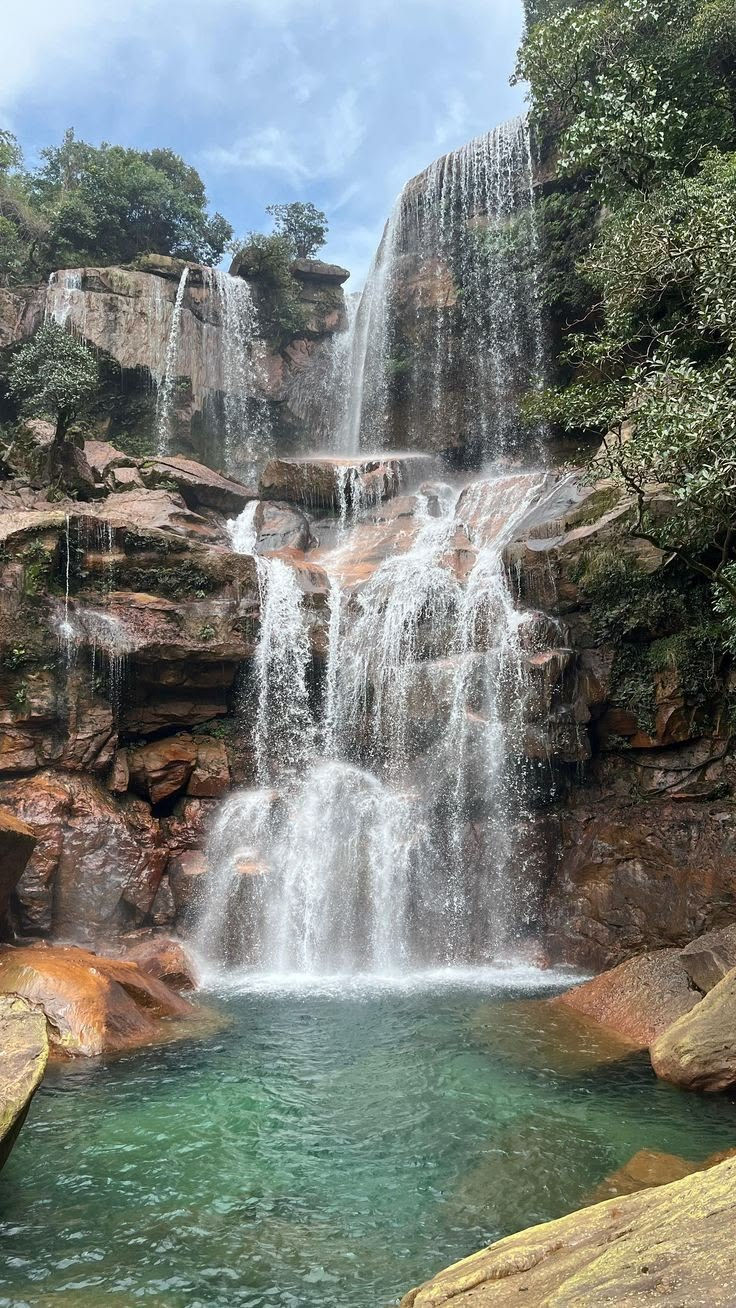
Summer in the US brings a lot of great outdoor options, but few things match the experience of swimming in waterfalls pools tucked into forests, canyons, and mountain landscapes. There's something about cold, clear water fed by a natural waterfall that a hotel pool or even a lake beach just can't replicate. The setting is real, the water is moving, and the whole experience feels genuinely alive. But swimming in waterfalls is not without its risks, and knowing what you're getting into before you show up makes the difference between a great summer memory and a dangerous situation. This guide covers everything you need to plan a safe and enjoyable waterfall pool visit this season.
How Waterfalls Pools Form at the Base
Before you get into the water, it helps to understand what you're actually swimming in and how it got there.
Waterfall pools, also called plunge pools, form through a process called hydraulic action. When water falls from a height and hits the ground or streambed below, it carries significant downward force. Over time, that force wears away the rock and sediment at the base of the falls, carving out a depression. Softer rock erodes faster, so pools in sandstone or limestone environments tend to be deeper and more dramatically shaped than those in granite or basalt terrain.
The height and volume of the waterfall determine how deep and wide the pool becomes over geological time. A tall, high-volume falls erodes a larger, deeper pool than a small trickle over a ledge. That's why some of the most popular swimming in waterfalls destinations have pools that are 10, 15, or even 20 feet deep in the zone directly below the falls, while the edges and shallower areas are much more accessible for wading.
The shape of the pool also reflects the turbulence patterns of the water. The area directly under the main drop tends to be deepest and most churned up. Moving outward from that zone, the water calms and the depth decreases. Most swimming happens in that calmer outer zone rather than directly under the falling water, for practical and safety reasons that come up in more detail later in this guide.
Knowing this basic geology helps you read a pool when you arrive and understand which areas are likely to be calmer and shallower versus more turbulent and deep.
Water Temperature to Expect in Waterfalls Pools
This is the thing that surprises most first-time waterfall swimmers, and it's worth being straightforward about. Swimming in waterfalls pools is almost always cold. Sometimes very cold.
Most natural waterfall pools are fed by snowmelt, mountain streams, or spring-fed rivers. These sources stay cold regardless of air temperature. In mid-July when it's 85 degrees on the trail, the water at the base of a falls fed by glacial or high-elevation snowmelt can easily be in the low to mid 50s Fahrenheit. That's cold enough to cause cold water shock if you jump in without preparing your body first.
Cold water shock is a real physiological response. When your body hits cold water suddenly, you can involuntarily gasp and hyperventilate, your heart rate and blood pressure spike, and your swimming ability is temporarily compromised. Getting into cold water gradually rather than jumping straight into the deep zone is both safer and more comfortable.
Lower-elevation waterfall pools in warmer climates tend to be more forgiving. Waterfall pools in the Southeast, Hawaii, and parts of the Southwest that are fed by lower-elevation streams can reach temperatures in the 60s or low 70s during summer, which is much more comfortable for extended swimming in waterfalls.
Spring visits to waterfall pools generally mean colder water because snowmelt is at its peak. By late summer, many mountain-fed pools warm slightly as snow contributions decrease, though they rarely get warm by pool standards.
Hidden Dangers Lurking in Natural Waterfalls Pools
Swimming in waterfalls is one of the best outdoor experiences you can have, but natural waterfall pools have specific hazards that deserve serious attention.
The most significant danger is the hydraulic current directly below the main drop. When water falls and hits the pool, it drives a powerful downward current and then a recirculating pattern that can trap a swimmer. People who end up in the direct impact zone of a large waterfall can be held down or recirculated repeatedly before they're able to exit. This is why experienced waterfall swimmers stay in the calmer outer zones and avoid the area directly under the heaviest flow.
Submerged rocks are a constant hazard in waterfall pools. The same erosion process that carved the pool also deposits rocks of all sizes below the surface. What looks like a clean, sandy bottom can have hidden boulders just below visibility depth. Never jump or dive into a waterfall pool without wading in first to assess the bottom.
What Happens If You Fall Into Follheur Waterfall is an important and detailed read for anyone who plans to spend time near waterfall environments this summer, because it illustrates exactly how quickly conditions at a waterfall pool can become serious and what happens to a person caught in that kind of water.
Cold water is also a genuine hazard beyond just discomfort. Extended time in cold waterfall pools leads to hypothermia faster than most people expect. Even on a hot day, staying in 55-degree water for 30 minutes causes significant body temperature loss and impairs muscle function. Knowing when to get out and warm up is part of safe swimming in waterfalls.
Slippery rocks around the pool's edges are where most non-swimming injuries happen. Mosses, algae, and constant moisture create surfaces that are genuinely treacherous even for careful walkers. The approach to the water's edge is often more dangerous underfoot than the swimming itself.
Best Waterfalls Pools Open for Public Swimming
The US has an impressive number of permitted, accessible swimming in waterfalls destinations that are worth the planning.
Havasu Falls in Arizona is consistently at the top of the list. The turquoise blue water, the deep swimmable pool, and the dramatic red canyon backdrop make it one of the most visually stunning waterfall swimming experiences in the country. Access requires a permit and a 10-mile hike or helicopter ride to reach Havasupai tribal land. Permits sell out months in advance, sometimes the moment they open for a given season, so planning early is essential.
Skinny Dip Falls in North Carolina along the Blue Ridge Parkway is one of the most accessible swimming in waterfalls spots in the eastern US. The pool is cold, clear, and reached by a short trail. It's free, open to the public, and a genuine local favorite in the western North Carolina mountains.
Hamilton Pool Preserve near Austin, Texas, is a unique swimming hole formed by a collapsed grotto with a 50-foot waterfall draining into it. Reservations are required and swimming is permitted only when water quality tests pass. The setting is unlike anything else in the state.
Burgess Falls in Tennessee has tiered pools at the base of a series of cascades that are accessible and swimmable during warm months. The hike to the main pool is about two miles round trip on maintained trail.
In the Pacific Northwest, several waterfall pools in the Columbia River Gorge near Portland, Oregon, including swimming areas near Latourell and Multnomah Falls, attract summer visitors, though swimming regulations vary and should be checked before your trip.
Rules and Etiquette at Natural Waterfalls Pools
Swimming in waterfalls is a shared experience, and the way you behave at these sites affects both the experience for other visitors and the long-term health of the environment.
Follow posted regulations without exception. Some waterfall pools have specific rules about where swimming is permitted, maximum occupancy, and whether jumping from rocks is allowed. These rules exist because of documented incidents at those specific locations, not arbitrary caution.
Avoid using soap, shampoo, sunscreen with harmful chemicals, or any personal care products before swimming in a natural waterfall pool. These substances wash off into the water and affect the aquatic ecosystem. Reef-safe sunscreen is widely available and is the right choice for natural swimming environments.
Pack out everything you bring in. Trash near waterfall pools is one of the most consistent problems that land managers deal with, and it contributes to permit restrictions and site closures. Leaving no trace is not optional at popular natural sites.
Keep noise at a reasonable level. Waterfall pools attract people who are there for the natural experience, and excessive noise disrupts both other visitors and the wildlife that depends on these habitats.
If the pool is busy, be patient and take turns at popular jump spots or narrow path sections near the water. The social experience of swimming in waterfalls is better when people share the space generously.
Gear to Pack for a Waterfalls Pools Adventure
Getting the right things in your pack before a waterfall swimming trip makes the experience significantly more comfortable and safer.
Water shoes are the single most useful item for any waterfall pool visit. The rocks around waterfall pools are consistently wet and covered in algae or moss. Water shoes with rubber soles grip these surfaces far better than bare feet or regular sandals and protect you from cuts and bruises on sharp submerged rocks.
A wetsuit top or neoprene shorts are worth considering for cold water swimming in waterfalls locations. Even a 2mm neoprene top extends your comfortable time in cold water significantly and reduces hypothermia risk during longer swims.
A dry bag protects your phone, wallet, keys, and any electronics from the mist and spray that reaches further than you expect at active waterfall sites. A waterproof phone case lets you take photos in the water safely.
Bring more towels than you think you need. Staying warm after swimming in cold waterfall pools matters for comfort and safety, especially if you have a hike out before reaching your car.
A complete change of dry clothes stored in your car is something experienced waterfall swimmers always arrange. Driving home in wet clothes after a long day outdoors is unnecessary and uncomfortable when this easy step prevents it.
High-energy snacks and extra water are practical additions. Cold water swimming burns more energy than swimming in warm conditions, and the hike to most waterfall pools adds to the caloric demand of the day.
How to Find Permitted Waterfalls Pools Near You
Swimming in waterfalls closer to home than you might expect is very possible for most Americans, and finding those spots takes a little research but not much.
AllTrails is the most practical starting point. Searching for waterfall hikes in your state and filtering by reviews that mention swimming gives you a solid initial list. Reading recent reviews tells you current conditions, whether the pool is actually swimmable, and any recent regulatory changes at the site.
Your state's parks and recreation website often maintains lists of designated swimming areas in natural settings. State parks that include waterfall features sometimes specifically designate swimming zones with seasonal hours and water quality monitoring.
The US Forest Service website for national forests in your region is another useful resource. Many national forest waterfall pools fall under dispersed recreation rules that permit swimming without a specific permit, but some areas require day use passes or have specific regulations worth checking.
Local hiking clubs and outdoor Facebook groups for your region are genuinely one of the best resources for finding lesser-known swimming in waterfalls spots. People who hike the same areas regularly share current conditions and specific location details that you won't find on official websites.
When you find a spot you want to visit, check for any required permits, current closures, or water quality advisories before making the drive. A few minutes of research prevents showing up to a closed site or one with an active water quality advisory.
FAQs
Is swimming in waterfalls safe for non-swimmers?
Non-swimmers should only enter the very shallow edges of waterfall pools and should always have a strong swimmer nearby. The main pool and any area near the base of the falls is not appropriate for people who are not confident swimmers.
Can you get sick from swimming in waterfalls pools?
Yes, if water quality is compromised. Natural waterfall pools can carry Giardia, bacteria, and other pathogens. Avoiding swallowing water and checking for water quality advisories before visiting reduces your risk significantly.
What is the best time of summer for swimming in waterfalls in the US?
Mid-July through August generally offers the best combination of warmer water temperatures, lower overall water volume making pools calmer, and stable weather across most regions of the country.
Are waterfall pool swimming spots usually free to access?
Many are free or require only a standard day-use parking fee. Some high-demand spots like Havasu Falls require advance permits that come with fees. Always check the specific site's requirements before visiting.
What should I do if someone gets into trouble while swimming in waterfalls?
Call 911 immediately and give your location as precisely as possible. Do not jump in after someone unless you are a trained rescue swimmer. Throw a rope, extend a branch, or find something the person can grab from shore while keeping them in sight until help arrives.
Comments